


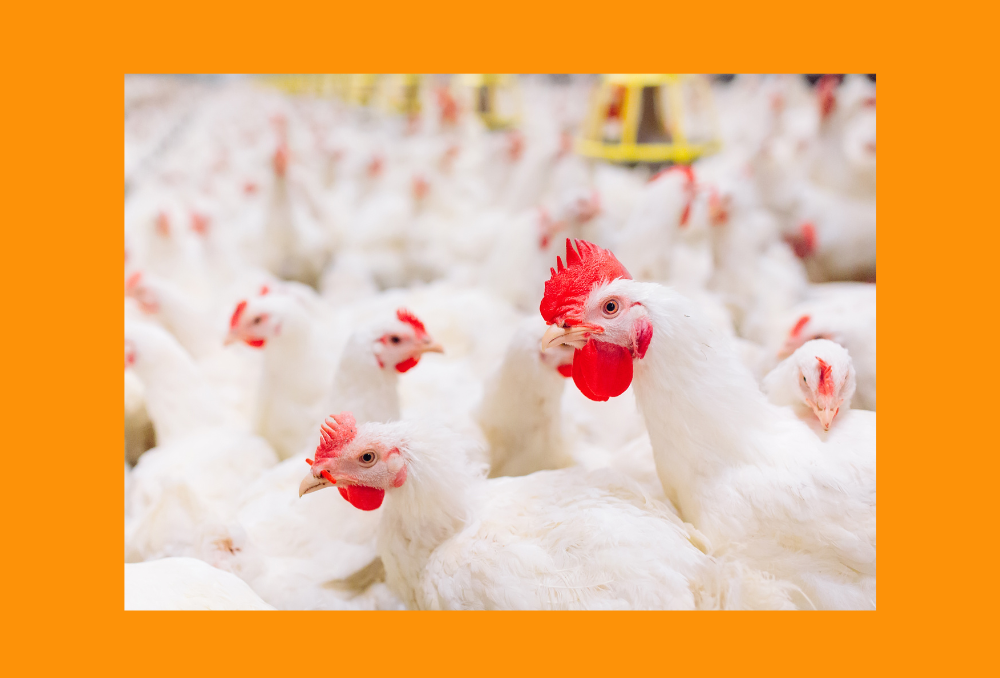
The global poultry industry is expected to remain strong in 2026, growing by 2%-2.5% and further solidifying chicken as one of the most dynamic animal proteins globally. According to Rabobank’s Global Poultry Quarterly Report for the first quarter of 2026, the sector maintains a positive outlook, though it warns of a higher-risk, more volatile environment.
According to the analysis, consumption will continue to grow, driven by chicken’s competitiveness relative to other proteins, its broad cultural acceptance, and consumer trends favoring convenient, healthy, high-protein foods. The rapid increase in use of GLP-1 drugs for weight loss might also favor lean-protein-based diets in several developed markets, increasing demand for poultry.
Rabobank notes that market conditions remain particularly favorable in Latin America and Southeast Asia. However, it warns that rapid production growth in Europe, the United States, China, and India could produce supply-and-demand imbalances if not accompanied by an orderly growth strategy. Operational excellence and active risk management are key to the sector’s sustainability.
Avian influenza remains the primary source of uncertainty in 2026, especially in the Northern Hemisphere, where it may impact production, trade, and the hatching egg market. Added to this are geopolitical tensions and policies aimed at strengthening food security, which continue to moderate the growth of the global poultry trade, keeping it below overall poultry market growth.
Regarding costs, the report expects a relatively stable outlook for balanced feed, supported by higher global availability of corn and soybeans. However, climatic and geopolitical risks persist. Rabobank concludes that a prudent growth strategy, coupled with high biosecurity standards and efficient management, will be key to sustaining margins in a market that will continue to offer opportunities, albeit with greater demands on the industry.


